
Pick one moment with a beginning and an ending
Start where something is about to happen. If the story is about a rained-out picnic, begin with the blanket already spread. Add the moment that changes the plan and show what you did next. The ending can be as small as eating sandwiches on the kitchen floor and realising you still had a good time.
Describe actions the reader can see. A hand reaching for a drenched paper bag tells the artist more than a sentence saying you were both disappointed. Carry one object through the story so the panels feel like parts of the same afternoon.
Try this story outline
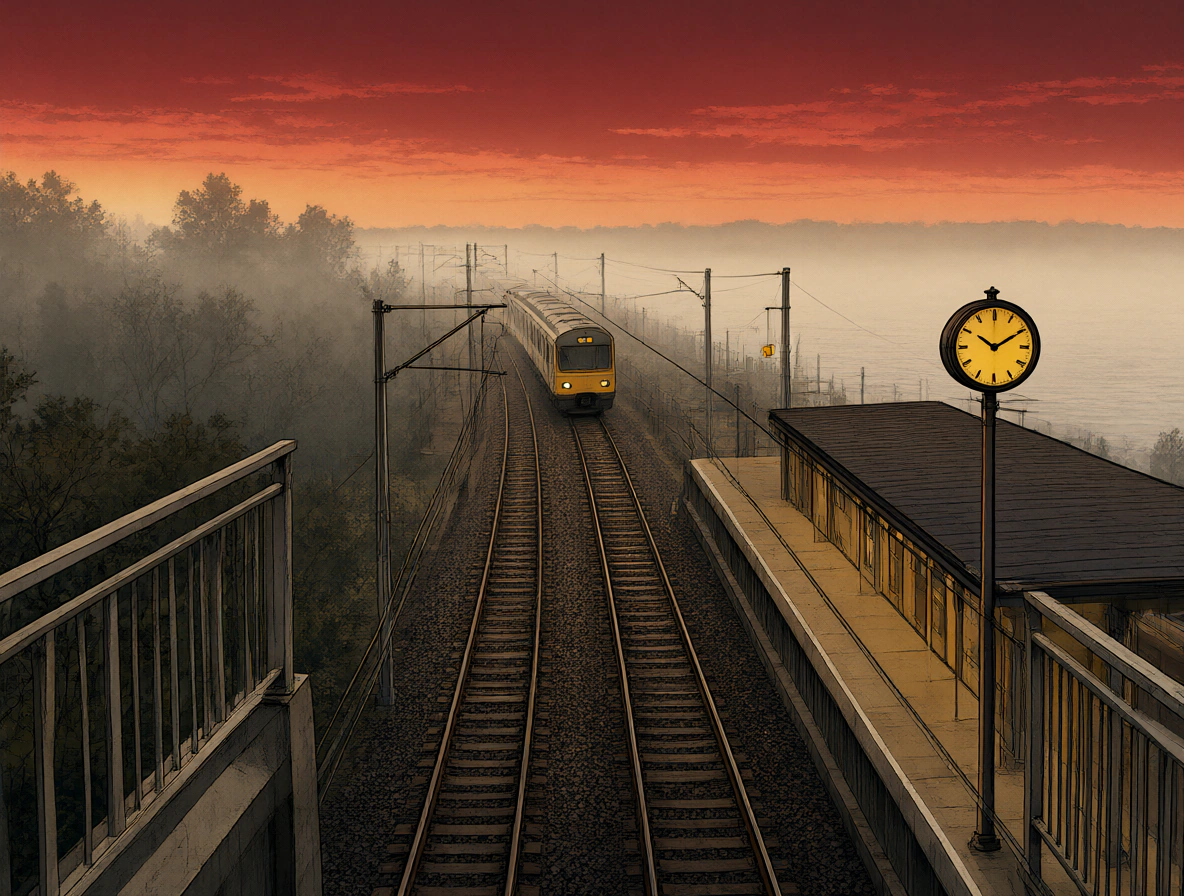
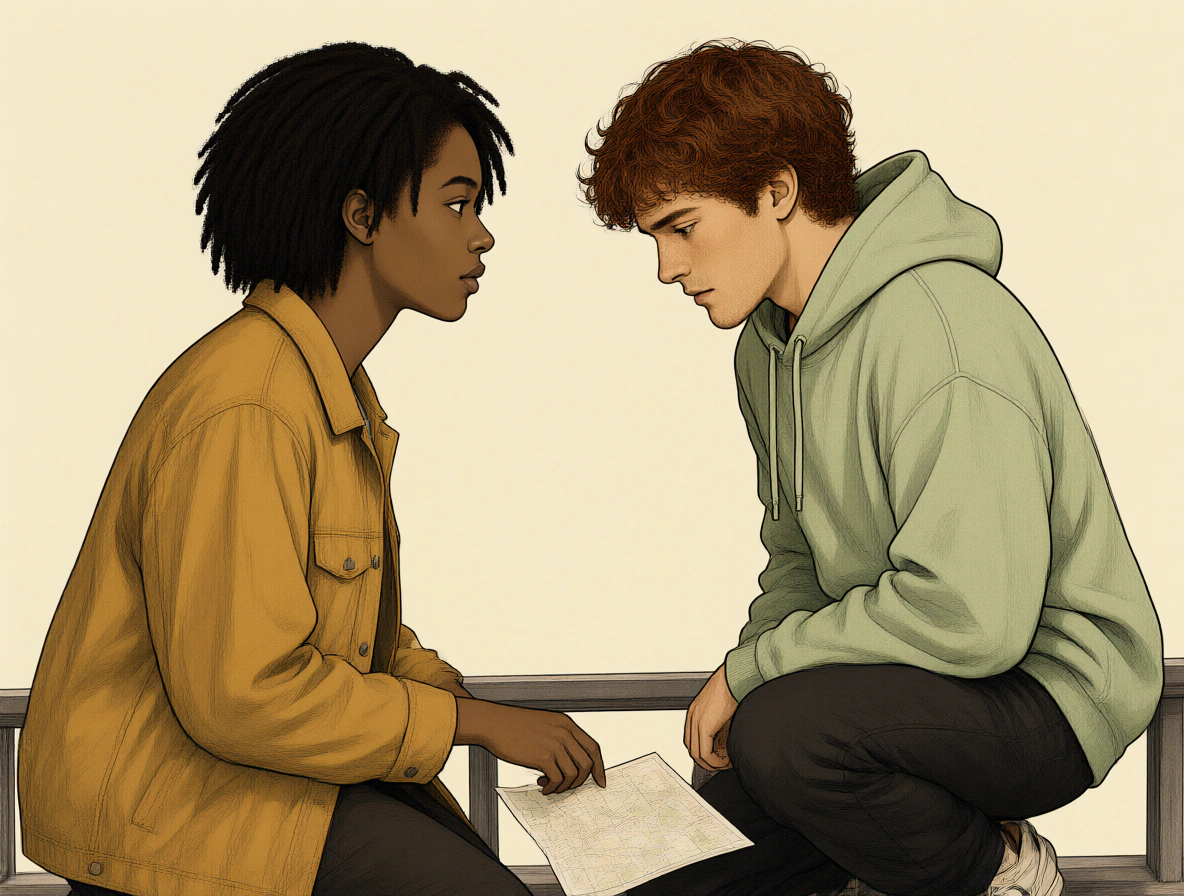
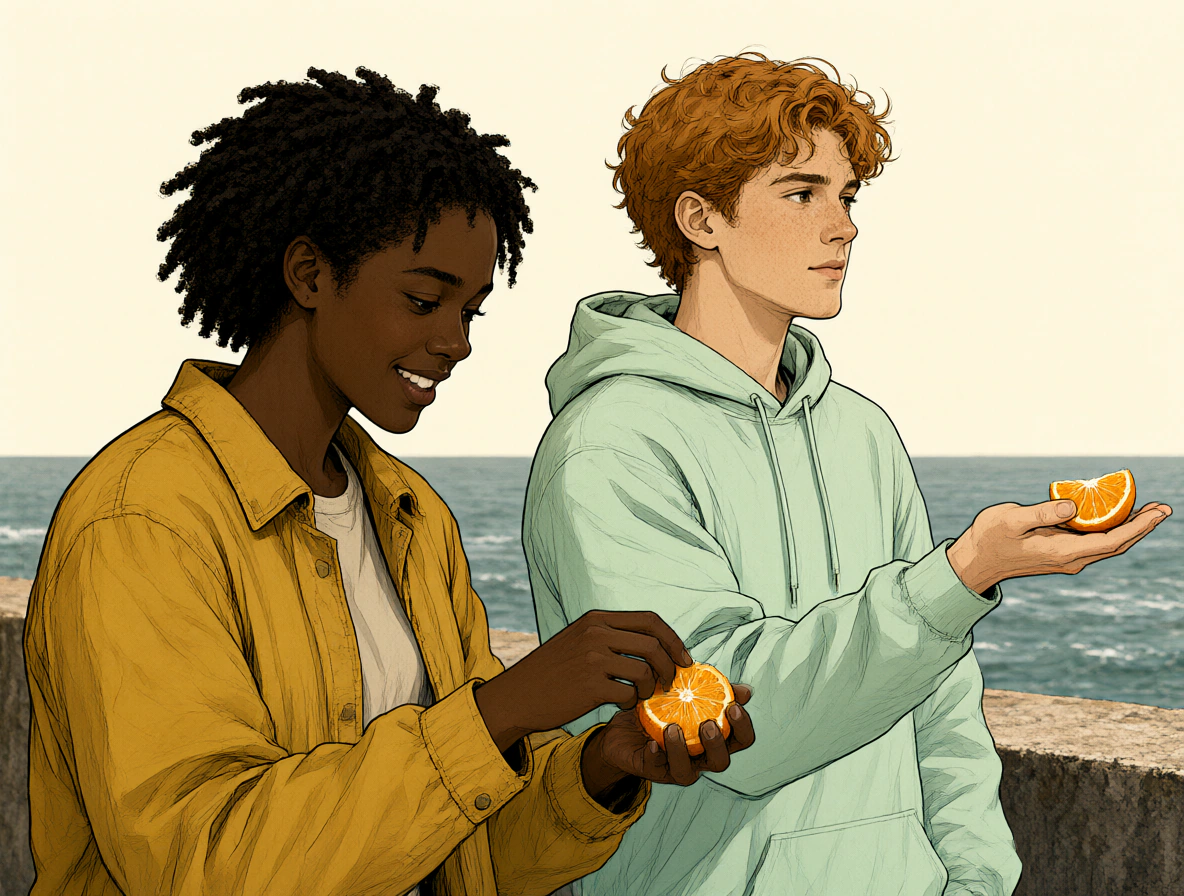
We waited on the wrong platform for the last train. A gust sent our folded map skidding under the railing. We got it back, but the train had left. A bus route was printed on the reverse. We ate a tangerine on the bus and picked a place to meet the next Sunday.
A wide view shows where the train is. A close-up of the map explains the change of plans. The orange peel on the bus gives the ending somewhere to land. Each panel has something different to do.
Review the storyboard before generating images
- Upload one clear portrait of each person and choose an illustrated style. A plain background and good light make facial details easier to preserve.
- Enter the story and check the storyboard price before creating it. Read the captions and image descriptions in order. Check that each scene adds an action, a reaction, or a change of location.
- Select the scenes that carry the story. Check the separate image total before confirming. It includes the two illustrated character references and the selected panels.
- When the job finishes, download the panels you want as individual JPG files.
Before you select the final panels
Read the selected captions without looking at the illustrations. If the ending depends on a discovery, keep the panel that shows it. If two scenes both show the same wait, keep the one with the strongest detail. You can make a short, readable comic from a longer storyboard.
How many pictures should I generate?
Let the story decide. A quick memory may only need an opening, a turning point, and an ending. Keep extra scenes when they explain a decision or give an important reaction time to land.
Can I use different photos for every scene?
Start with one portrait per person. The generator styles each person once and reuses both references across the selected scenes.